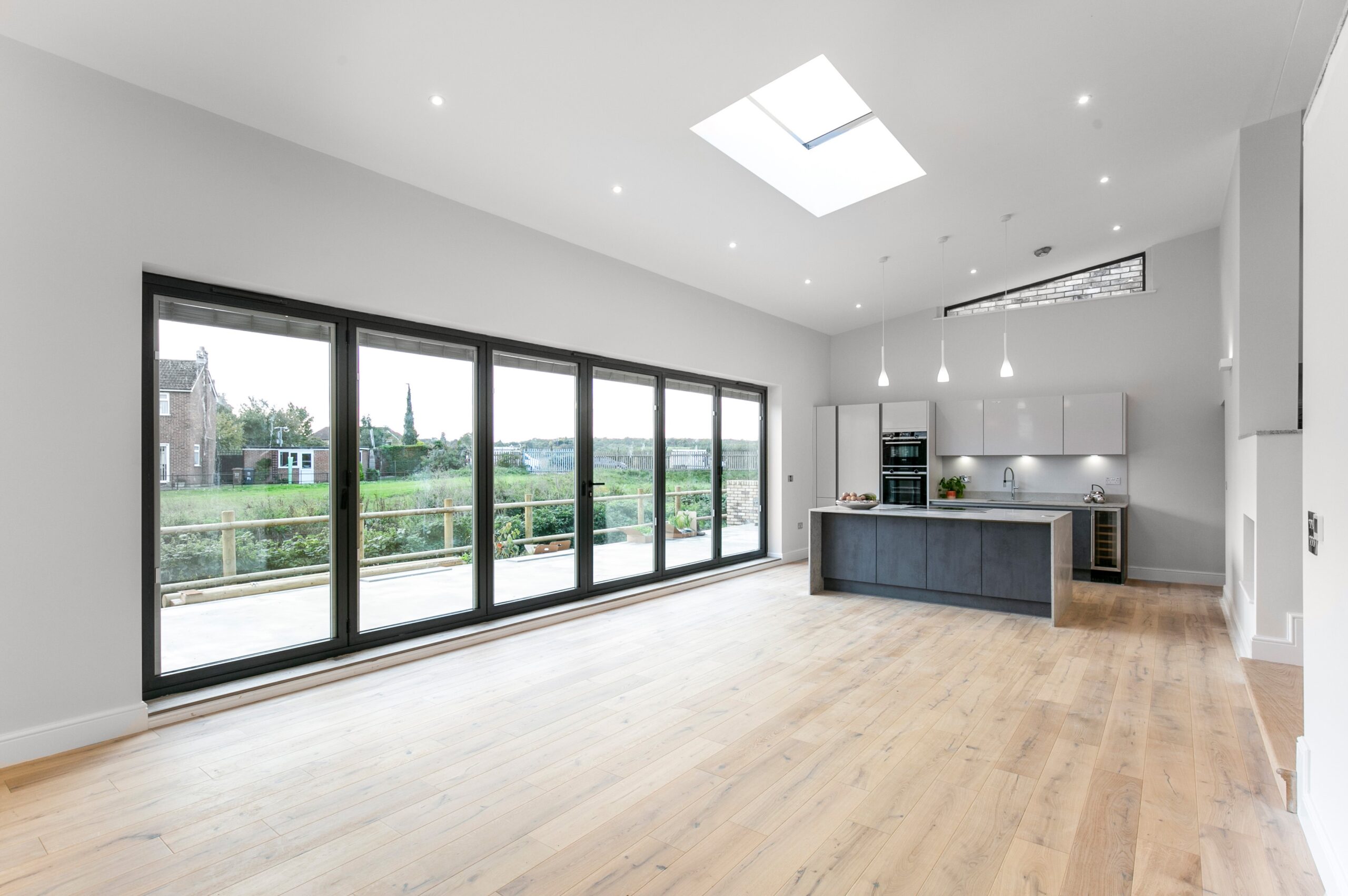
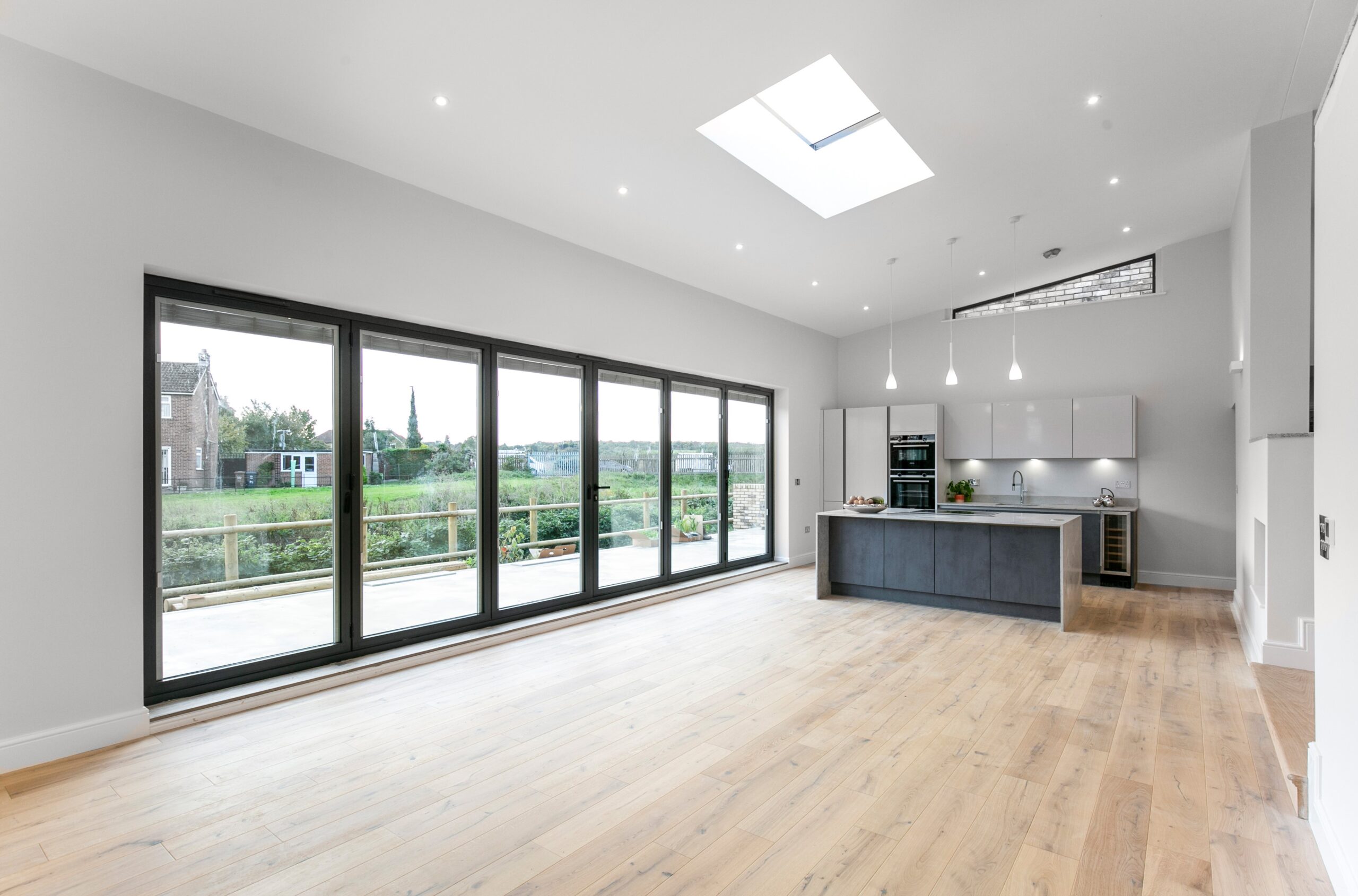
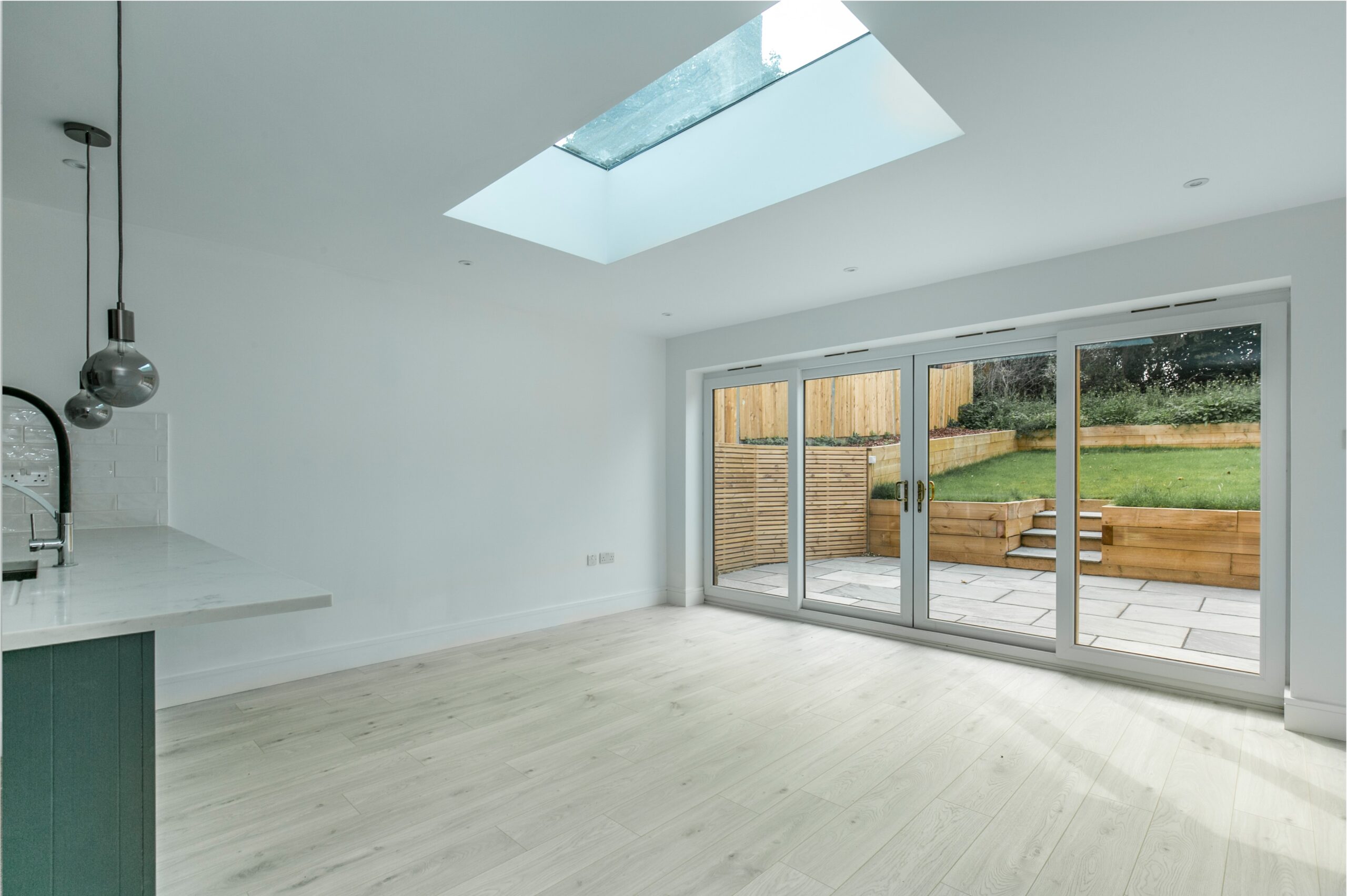
Architectural 2D Drawing

Architectural 2D drawings form the foundational blueprint of any construction or design project. These detailed illustrations are created with precision and accuracy.

  • 2D Layout plans
  • Elevations
  • Sections
  • Site plans
  • Block Plans
  • Existing & Proposed Drawings
  • Loft Conversions
  • Rear & Side Extensions
  • Planning Permissions
  • Building Regulations
In the realm of architecture and design, 2D drawings play a crucial role in translating creative visions into tangible structures. These drawings encompass floor plans, elevations, sections, and other technical details, offering a clear and standardized way to convey design intent. Architects use these drawings to communicate their ideas, ensure compliance with building codes, and guide builders in the accurate realization of architectural concepts.

Virtual Staging

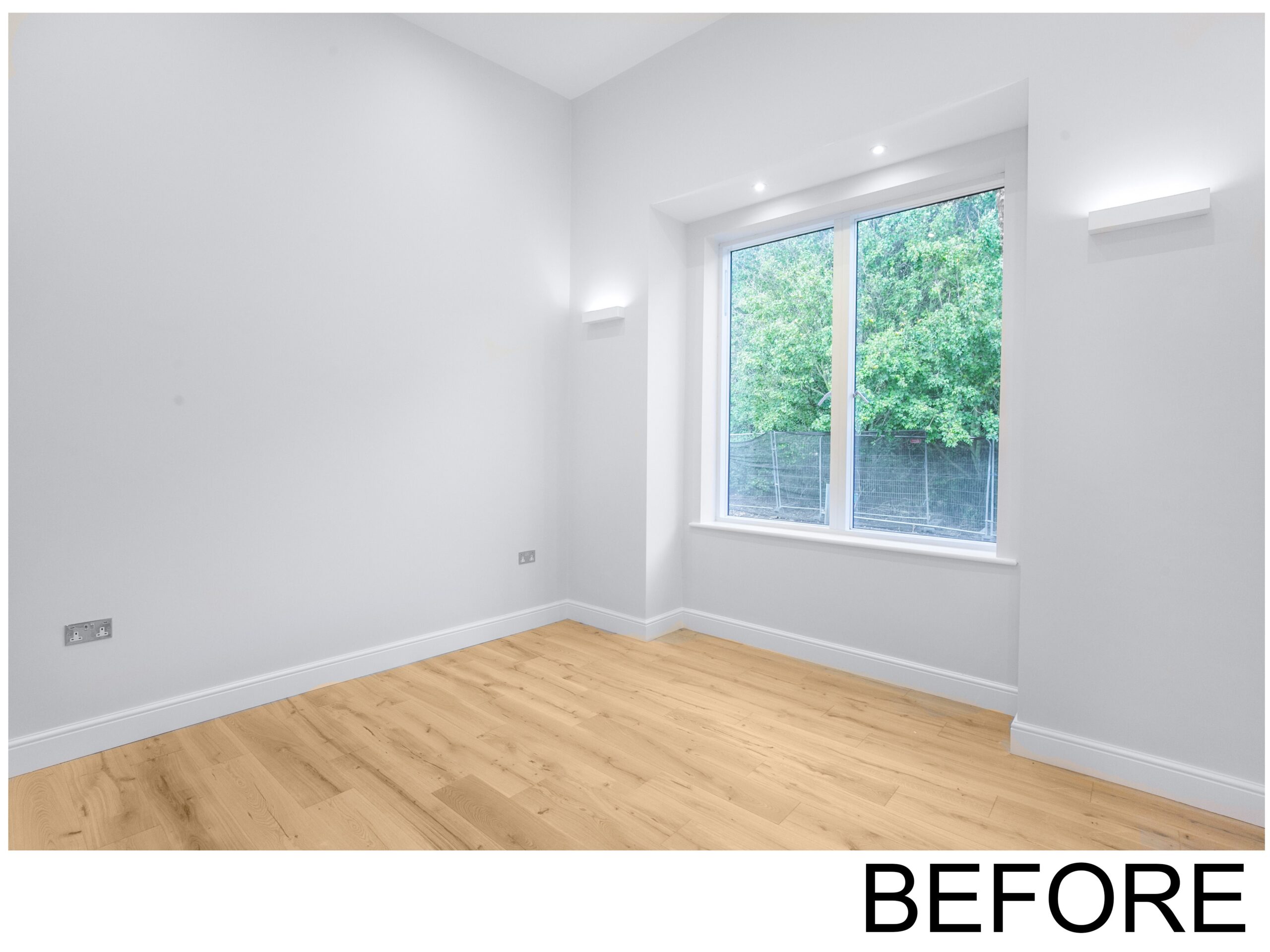
Before After

Physically staging a home can get expensive, fast. Our virtual staging service gives homes a leg up in the market, without anyone ever having to open the front door.

We are pleased that you have chosen our unique, proprietary virtual staging service. Our process digitally places tasteful furnishings and decor into your photographs of vacant rooms, producing attractive professionally staged photographs that drive buyer traffic. Virtual Staging is a technology-savvy marketing tool that allows your vacant property to get noticed online, where over 90% of potential home buyers start their search for their next home!

Virtual staging utilizes digital technology to virtually furnish and decorate empty spaces, offering a cost-effective and versatile solution to showcase a property’s potential. By adding virtual furniture and decor to photographs, virtual staging enhances visual appeal, helping potential buyers envision a property’s possibilities and making a compelling impact in real estate marketing.

 
EXTRA BENEFIT

Facilities included

  • Assisting senior consultants in every projects.
  • Share best practices and knowledge.
  • Support sales for smaller-value transactions.
  • Share best practices and knowledge.
  • Facilitating Seamless Project Collaboration.
  • Continuous Learning and Skill Enhancement.
  • Enhancing Client Relationships.
  • Quality Assurance and Compliance:
  • Project Documentation and Reporting.
  • Efficient Resource Allocation.
  • Client Education and Training.
  • Adoption of Technology Solutions.