Architectural 2D Drawing
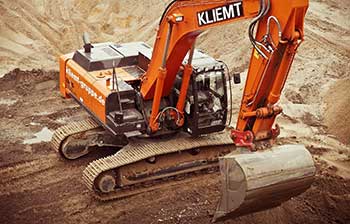
Architectural 2D drawings form the foundational blueprint of any construction or design project. These detailed illustrations are created with precision and accuracy.
- 2D Layout plans
- Elevations
- Sections
- Site plans
- Block Plans
- Existing & Proposed Drawings
- Loft Conversions
- Rear & Side Extensions
- Planning Permissions
- Building Regulations
The Building Estimation
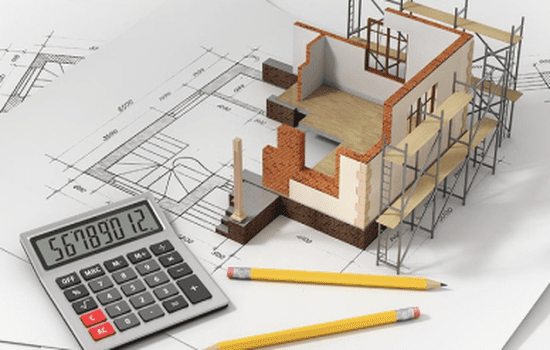
At AR Design Studio, we provide comprehensive building estimation services to architects, engineers, contractors, and builders, helping them make informed decisions, optimize costs, and ensure successful project execution. Our services include detailed cost breakdowns, quantity takeoffs, value engineering, risk assessment, and scheduling and timeline management. By leveraging our expertise, clients can benefit from improved cost control, enhanced decision-making, increased efficiency, and reduced risk. We utilize advanced software and techniques to ensure accurate and reliable estimates, and our client-centric approach ensures tailored solutions. For accurate and reliable building estimation services, contact AR Design Studio.
Facilities included
- Assisting senior consultants in every projects.
- Share best practices and knowledge.
- Support sales for smaller-value transactions.
- Share best practices and knowledge.
- Facilitating Seamless Project Collaboration.
- Continuous Learning and Skill Enhancement.
- Enhancing Client Relationships.
- Quality Assurance and Compliance:
- Project Documentation and Reporting.
- Efficient Resource Allocation.
- Client Education and Training.
- Adoption of Technology Solutions.